Written by Black Feather senior guides Nic Hornsveld, Candice Stuart and Wendy Grater
With the New Year’s arrival many people make resolutions to get healthy or start training. It is indeed the perfect time to think about conditioning for your summer canoe, sea kayak or hiking trip! Like most activities, it is much better to put a little time and energy into getting your body (and mind) ready for an outdoor challenge. Thanks to Nic Hornsfeld (canoeing), Candice Stuart (hiking) and Wendy Grater (sea kayaking) for these pro tips for getting ready!
FOR CANOEING…
A canoe trip challenges many fitness components: strength, balance, endurance, co-ordination, water sense and more. Even though we don’t have open water all year, we can use snow and ice as a substitute. And, visit a nearby gym or swimming pool! Here are some pro-tips from Nic that he finds helpful.
1. Cross-training
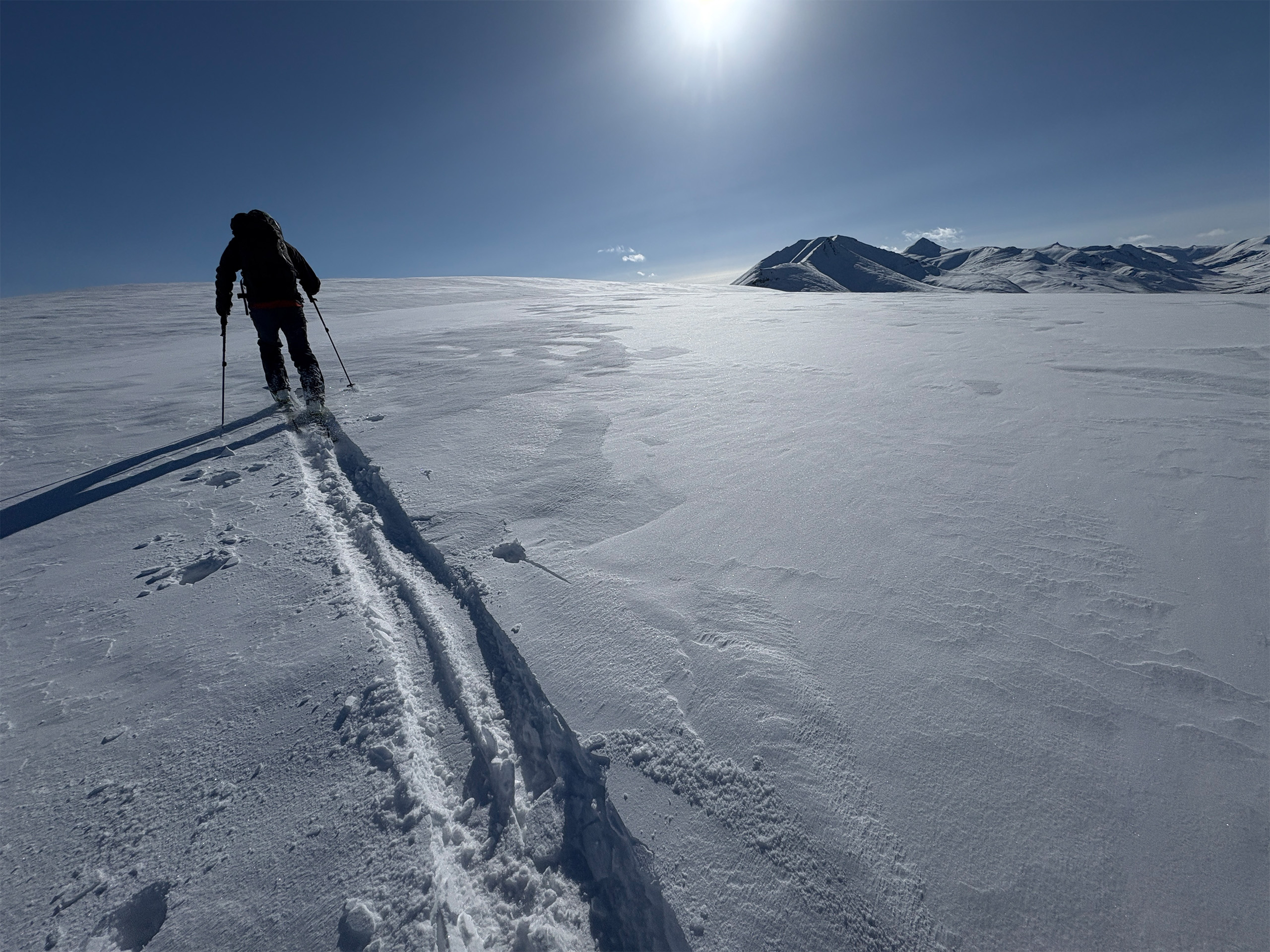
I find it useful to use my off season to train all the muscle groups I don’t use often while canoeing and train the muscles that I do use in different ways. I personally like to run, swim, and ski to improve my cardio, keep working my lower body muscles, and keep a good fitness level so I don’t get the “off the couch” feeling each spring, but you can pick your favourites. Whether it’s a game of pick up ice hockey, indoor soccer, winter walking, squash or pickleball, anything that gets your heart rate up will help your fitness improve (and it’s fun!).
2. Core Exercises
I try to keep up with core exercises throughout the winter – yoga, Pilates, and specific core exercises (Russian twists, planks, butterflies etc.) Building muscle in your core will help with paddling, lifting and balance.
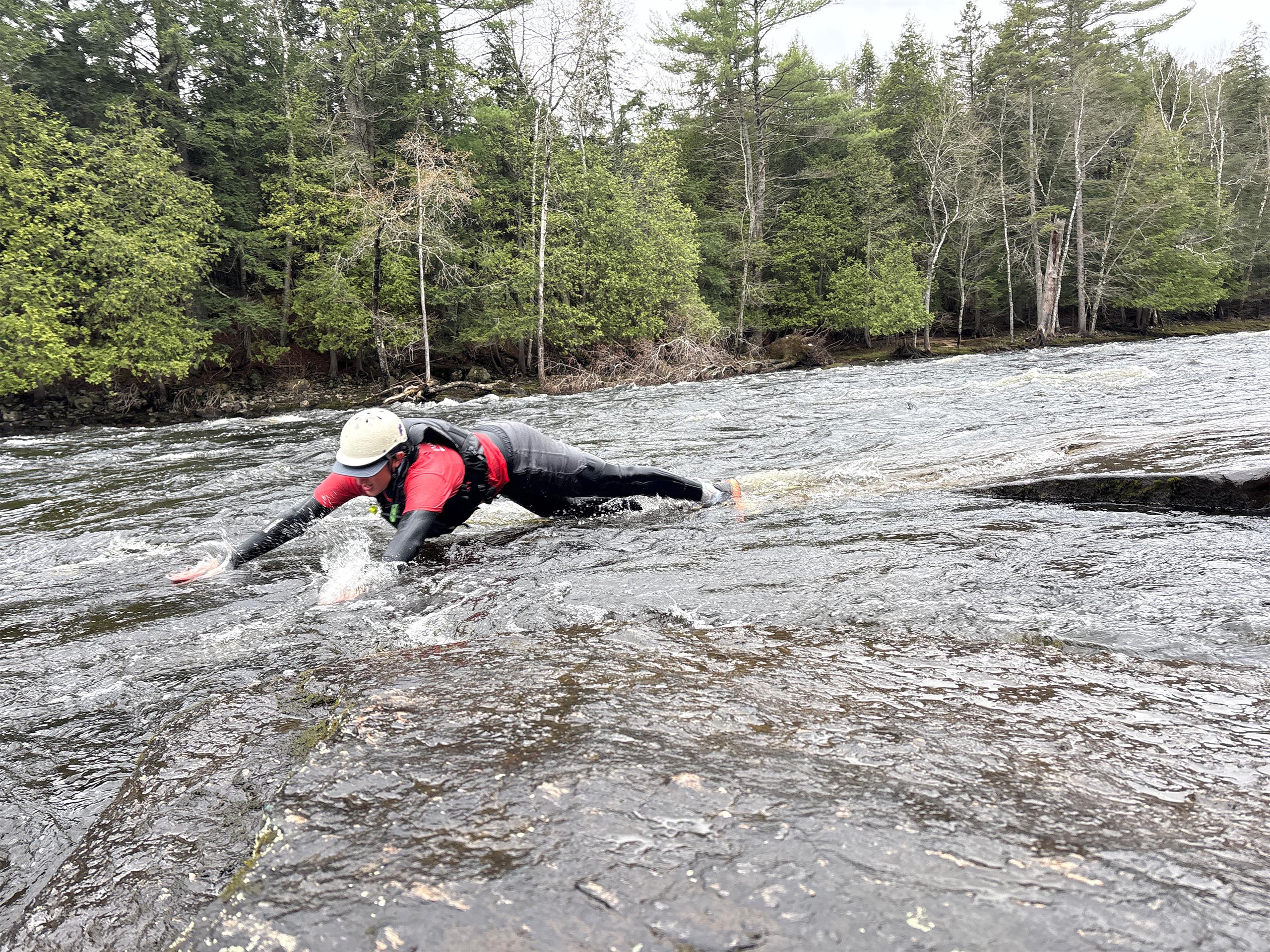
3. Swim in whitewater
When it gets warm enough, I like to take my swimming outside! As a guide I need to be ready for rescue swimming at any time, so I try to swim a few laps in current to refresh what a white water environment feels like again. Taking a spring paddling course can help gain confidence, both in paddling and swimming! Swimming good lines can improve your ability to read lines in whitewater, improve your confidence, and remind you how fun it is to be in a whitewater environment.
4. Refresh (or gain new) rescue skills
Take a river rescue course if you haven’t already, or practice throwing your throw bag in a yard or park, set up a mechanical advantage system in your kitchen. All rescue skills are perishable, so practicing these skills often is a great way to stay on top of all the techniques!
5. Plan ahead!
Not physical conditioning, but one thing I do is to use the off season to source all the gear I need (or want!) for my trip next summer. You can find good sales and deals, and if you need to buy new gear you can look for good quality materials that will last longer, and are hopefully lighter so you don’t need to bring as much weight!
FOR SEA KAYAKING…
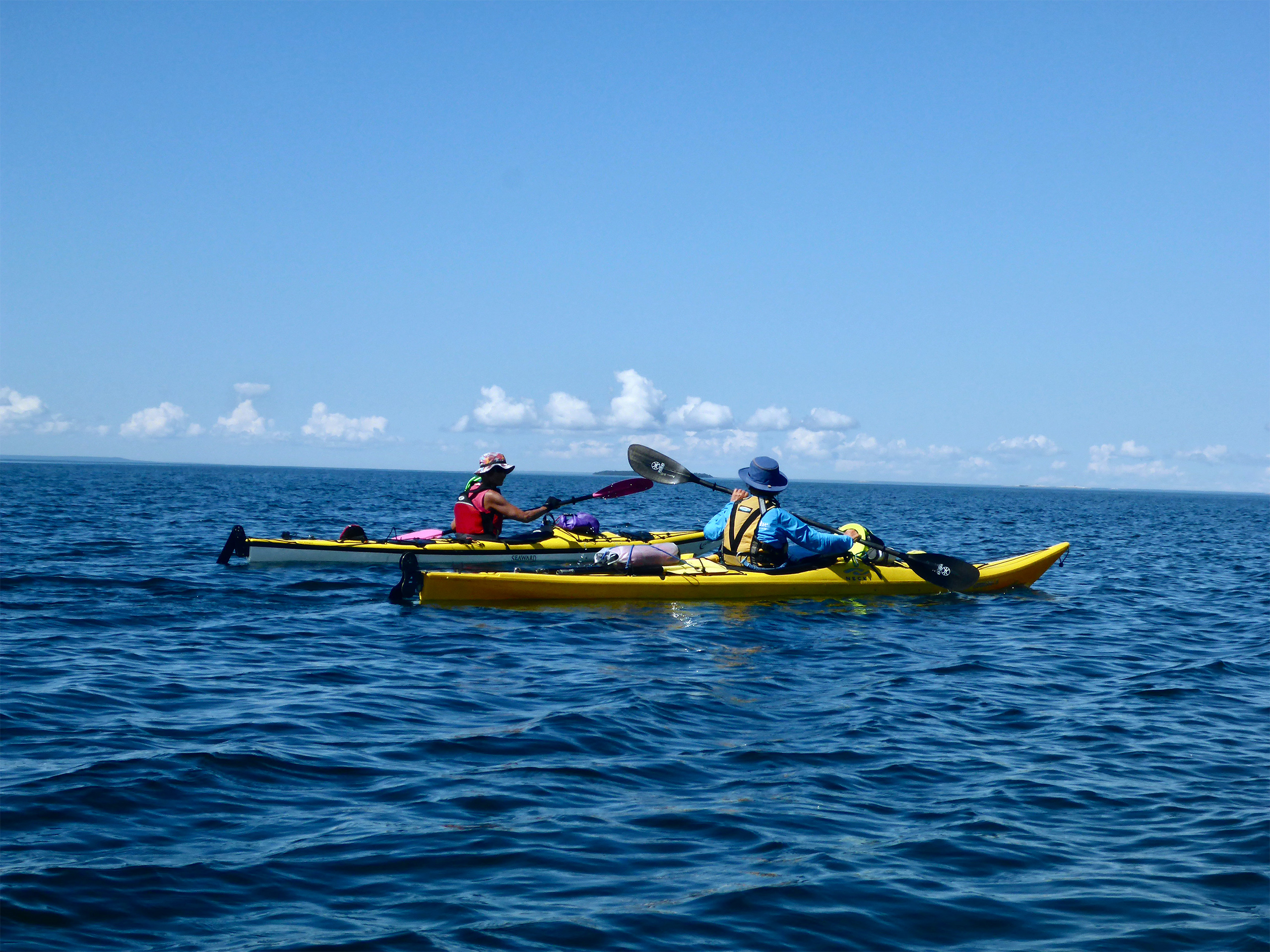
Sea kayaking may seem easy since the kayaks look like they are sliding through the water effortlessly, but after an hour or two of constant paddling, you may start to feel otherwise! On top of that, we have the added challenge of moving all of our gear from our kayaks to our shore campsite (and back), as well as bending and stretching as we set up camp, tents and cook. Here are some tips from Wendy to get ready and have an amazing trip!
1. Squats
Kayaks are low to the water and you need to be able to lower yourself with control to get in and out of the cockpit with style. To help with this, do squats, lowering yourself slowly towards the ground and then gradually going up again. You can start with smaller dips and your hands on a table for stability, or sitting down onto and getting up from a chair, then gradually increase so you get lower and can remove your hands. This also helps when getting into and out of your tent!
2. Walking over uneven terrain
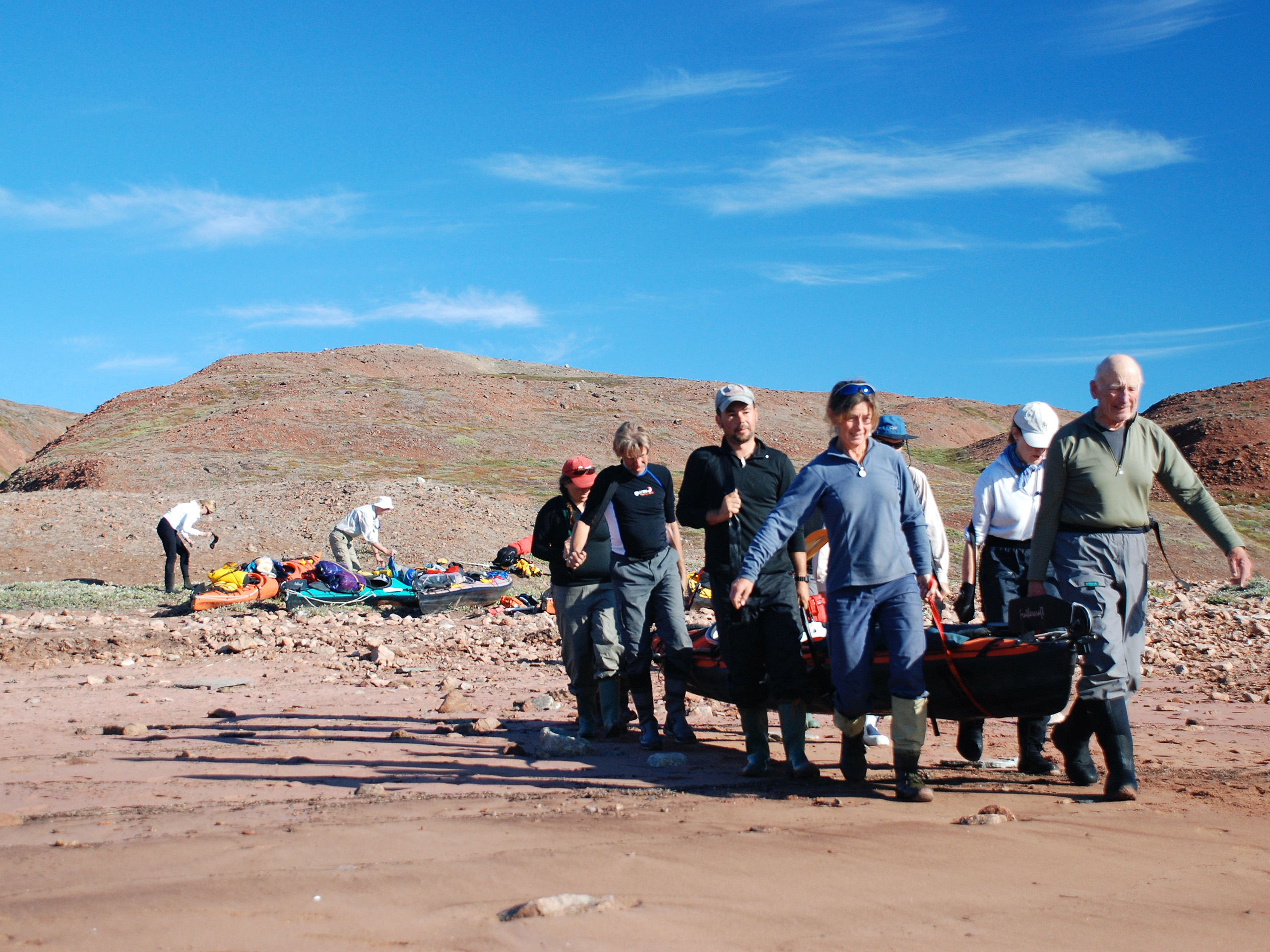
Each morning and afternoon we load and unload our kayaks from the shore to campsite and reverse. To get ready for this, go for a short walk over uneven terrain, carrying 5 kg of weight in each hand (load up 2 of your kayak drybags with your sleeping bag and other gear, or cans and boxes from your kitchen!). Once you are comfortable with 5 kg, try increasing the weight!
3. Mimic paddling
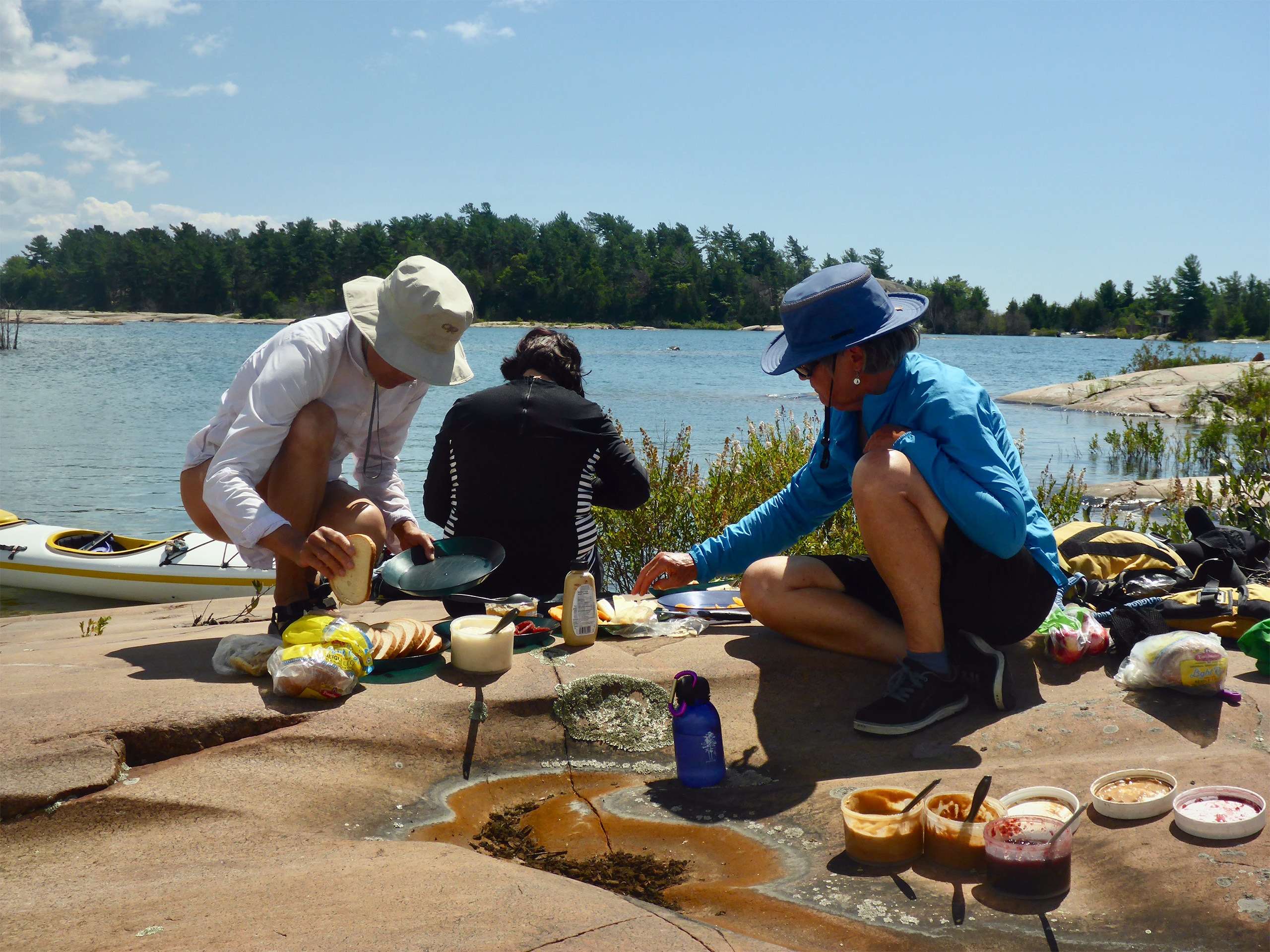
We want to be able to paddle for 45 to 60 minutes before a break for rest and hydration. To get ready for paddling, sit on a low cushion on the floor, mimicking your kayaking position. You can have your lower back against a wall, but don’t rely on the wall for much support. Have your legs out in a frog-leg position (knees bent). Hold a soup can in each hand, and then punch out from each shoulder alternately. Start with 5 repetitions per side and over time, increase to 10, 20, 30!
4. It’s a core thing…
Any paddling requires a firm foundation and developing and maintaining good core strength is key. This seems to be a recurring theme in all activities, so make it a daily habit. Crunches, planks, half-planks – anything to fire up those abdominal and back muscles will pay dividends in your kayak.
5. Do yoga!
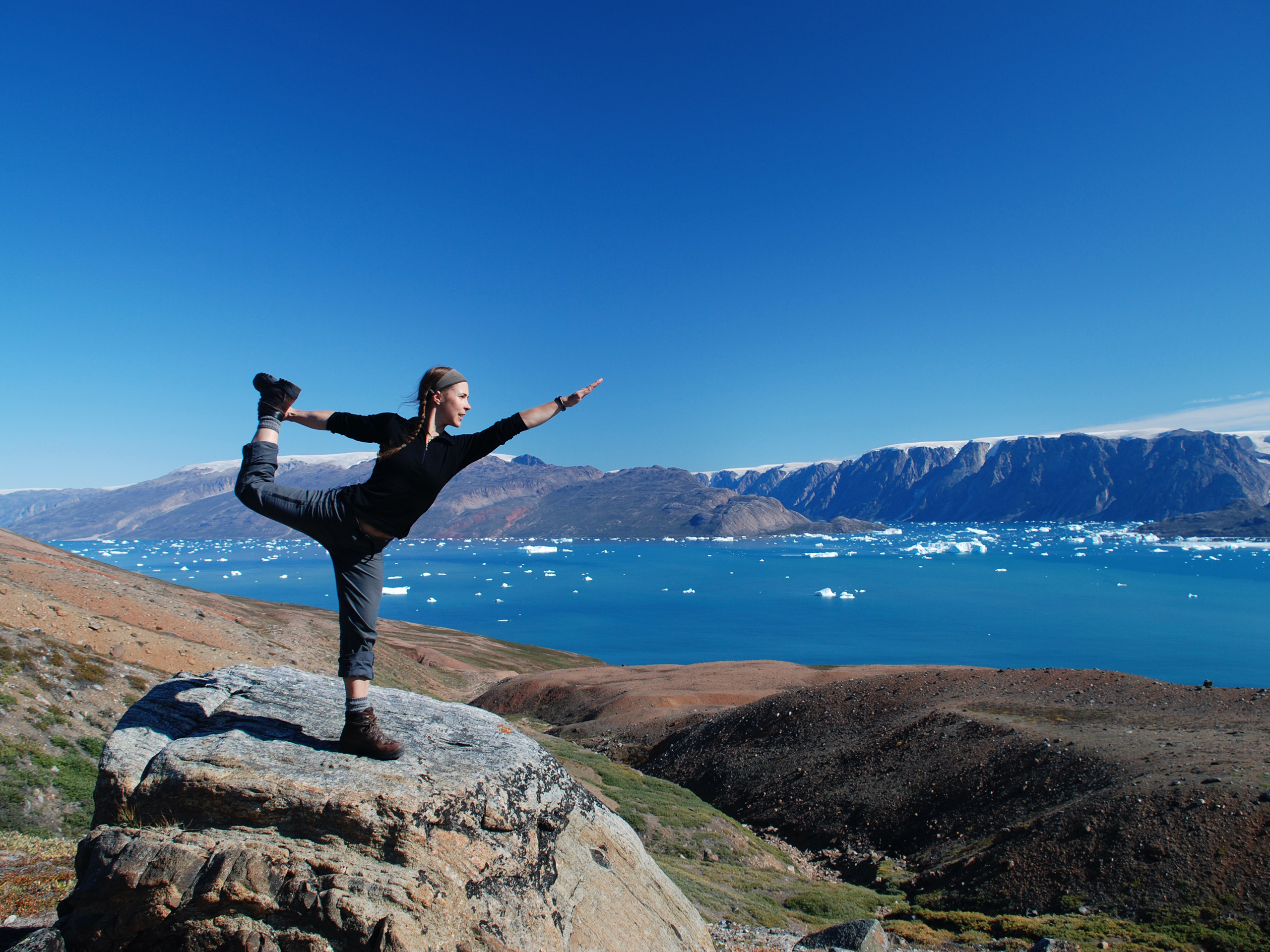
Kayak and camping require a lot of bending and stretching in all directions. There are lots of free on-line classes which range from 15 minutes to an hour. All will help with your strength, flexibility and mobility.
FOR HIKING…
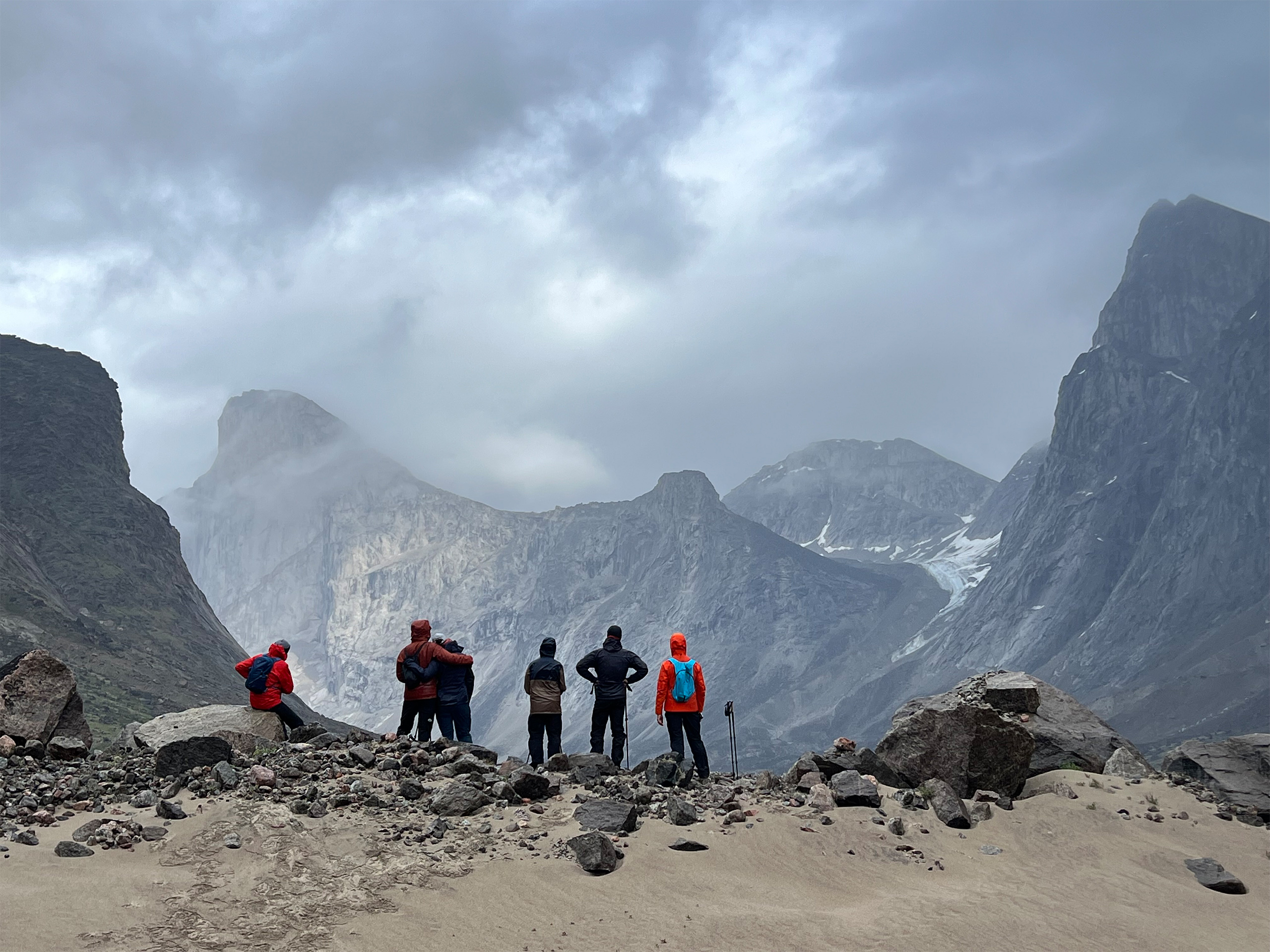
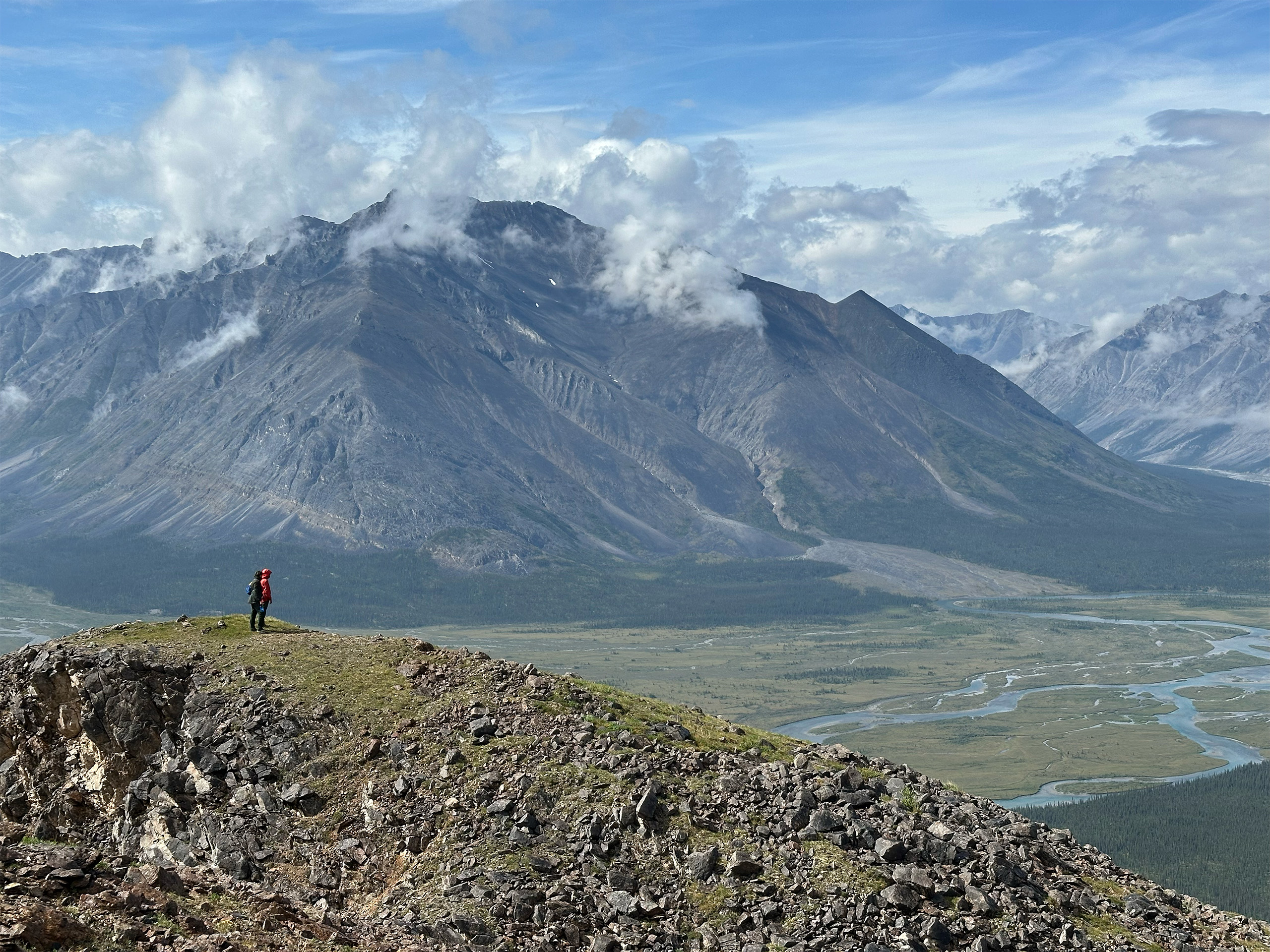
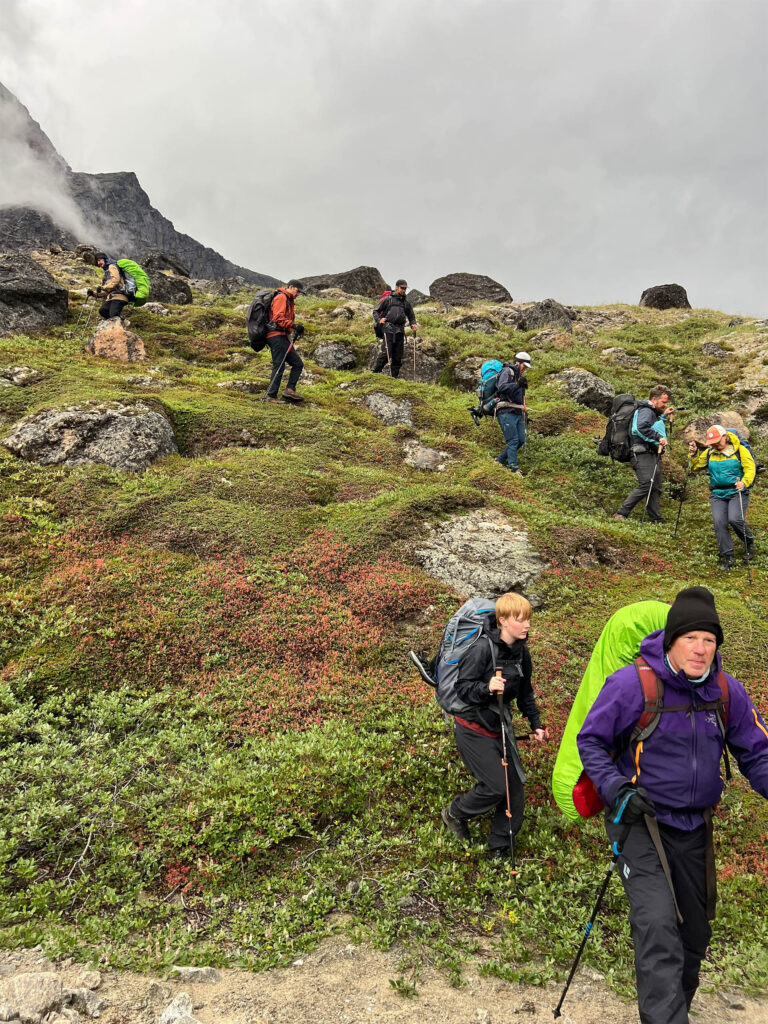
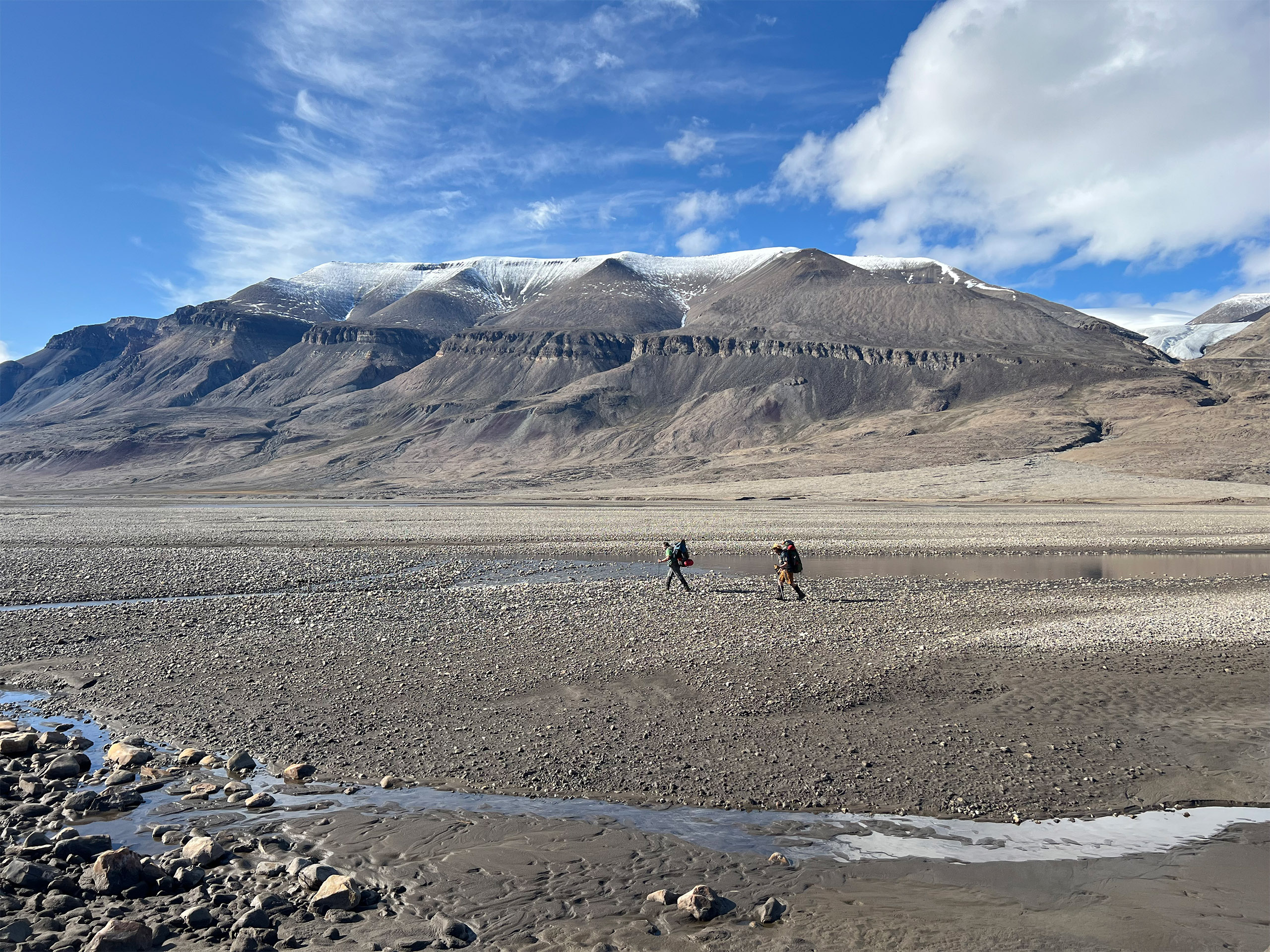
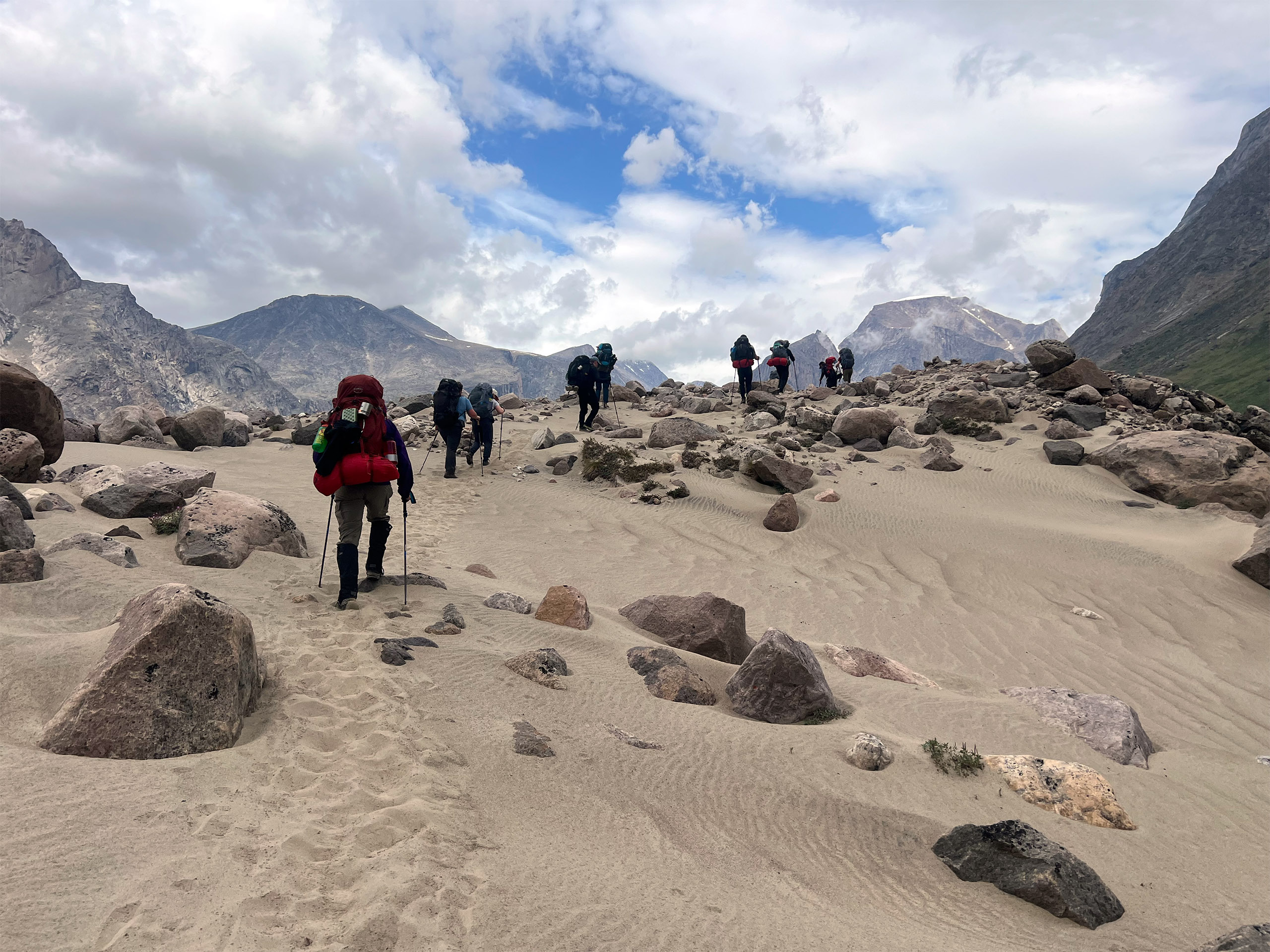
The most common thing we hear from our hiking participants on northern trips is this – “I trained hard but I was not prepared for this terrain!” There are mountains and valleys and stream crossings but there are no (or VERY few) trails. Sometimes we get lucky on empty river drainage channels or raised beaches, often referred to by guides in the north as “arctic sidewalks”, but these tend to be few and far between. Instead, we have a variety of terrain including boulders (think golf ball size to armchair size), river and stream banks (think steep sided at times but often only 1 metre in height) and bog (think “sole” sucking).
The following five tips that Candice is sharing focus on Arctic terrain but are still great tips for any type of hiking you are preparing for. And do not let the above description shy you away from arctic hiking as this is some of the most rewarding hiking you can do in a lifetime! The arctic landscape and environment never fail to impress!
Tip 1: It’s all about ankle and knee stability!
Hiking in the north is not mindless, as you are constantly watching where your foot goes and the next step you take. You need to be prepared for a quick step if the ground sinks beneath you or a rock rolls beneath your feet. The way I prepare for this is by working my knees and ankles, firing up all the muscles surrounding them to help keep me steady. There are a few ways to do this but balance is key!
- Sounds simple, but stand on one foot while brushing your teeth and hold your balance. Every little wobble helps work on both ankle and knee stability (core too).
- Have a BOSU ball? Start with it flat side down and stand on the curved side. Work your way up to balancing on one foot. There will be LOTS of wobbles here! I try to work up to two or three rounds of 90-120 seconds per foot, a few times throughout the week.
- Stand on level ground and move yourself as if you are stepping forward with your right foot (left foot stays solidly on the ground). Put lots of bend in that left knee while keeping your knee from going past your toe, lean forward and hold that position. Again, work your way up to two or three rounds of 90-120 seconds per foot, a few times throughout the week. Remember to start small, 5-10 seconds is great!
Tip 2: Fire up those glutes
There are hills. Some will be larger than others, some steeper. But I promise you, you will have them. And having glutes that are used to powering you up a hill helps.
- Squats. Lots of them. Even on the BOSU ball. Keep them slow and controlled, move your butt towards the floor keeping your feet on the ground and your back straight (don’t lean forward or curve your back forward). Think basic squats. I often jump into squat challenges with friends where we try to work up to at least 100 a day, scattered throughout the day.
- Add onto your squats with some weight. Sounds silly but I will do this with a weighted vest on (16 lbs) or I’ll wear my hiking pack with gear in it. I won’t do 100 a day of these but I do include them into my training.
- Walking lunges. Focus on sinking straight down and really pushing off with that back foot to move you forward into the next lunge. I tend to do these on a timer, 60 seconds with three repeats a few times a week.
Tip 3: Core, core, core, core and then more.
My core takes the biggest beating on these trips. Carrying a pack, helping others put their pack on and take it down, maintaining stability hiking all day, sitting down and getting up while in camp, all of these things are core-focused. Some of the best things you can do for core stability are holding a plank, moving through a plank (side to side hip dips, down dog to plank, maintaining balance and a flat back while moving through from on hands to elbows), dead bugs, table top position with a flat back while lifting right leg and left arm to back level then repeating on the other side.
Tip 4: Stamina and cardio (cross train!)
Walking 5 km a day at home on sidewalks and trails is great but it simply does not compare. Hike on trails, do hills, do more hills, walk in soggy areas if possible and wear your pack (with your gear packed plus extra weight tucked in close to your back to avoid back strain). Get your heart rate up! Ride a bike, do longer rides (I aim for 25-50 km if time allows). Go to the gym, lift weights (safely please!), try a cross training course, run/jog, do yoga. The bottom line here is cardiovascular endurance. My spring and fall commute to work is often done via bike.
Tip 5: And stretch!
As Wendy mentioned for Sea Kayaking training, Yoga is fantastic for stretching and moving your body, and there are so many great yoga videos available online, ranging from just a few minutes to an hour. Yoga is more than just stretching, it is movement that will increase your flexibility, your strength, your mobility and it will decrease your stress (and maybe even help you sleep better at night!). Do yoga!
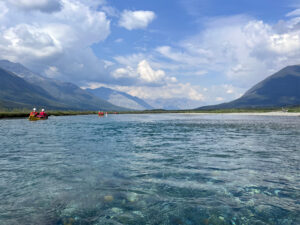
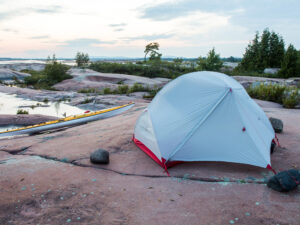
Dreaming of an outdoor adventure with Black Feather in 2026? We have an enormous breadth of options across the country, and offerings that take you paddling and hiking, from a couple of days to over two weeks.
Interested in hiking? From an introduction to backpacking held in Ontario in early fall, timed for the start of the fall colours and no bugs, to reaching the top of the world in Canada’s most northerly National Park – Quttinirpaaq – on our Ad Astra hike on Ellesmere Island, there is something available for everyone. Cross the visually stunning Akshayak Pass on our Auyuittuq Traverse, or just dip a toe for a shorter trip in the south side of the Park on our Auyuittuq Quick Escape trip, both on Baffin Island. The land awaits.
Or how about canoeing? We have been paddling on the Nahanni River, the first UNESCO World Heritage Site, since 1976 and have a myriad of options that allow any skill level of paddler to find their fill. Or perhaps a gem-coloured paddle and float down the Wind River in the Yukon, a beginner friendly descent with fantastic scenery and majestic mountains. Or something farther north, in the Barrenlands – perhaps on the Coppermine River. We canoe and raft this river all the way to the Arctic ocean… is this is the trip for you? All of this is just the start of an amazing list of options!
And sea kayaking? From a 2-day introduction to paddling to a week-long adventure getaway, our trips on Georgian Bay are sure to please, with warm water, 10,000 islands to hop between and paddle through, and sunsets that blaze in reds and oranges. Or go farther afield and find a trip in Greenland or Canada’s high Arctic, where you can paddle with icebergs and dip your blade into an arctic ocean, taking you back centuries if not millenia following the strokes of the ancient Arctic peoples who also moved on and lived off of the bounty of the water.
Get in touch with us if you have questions or would like to book! And happy training!